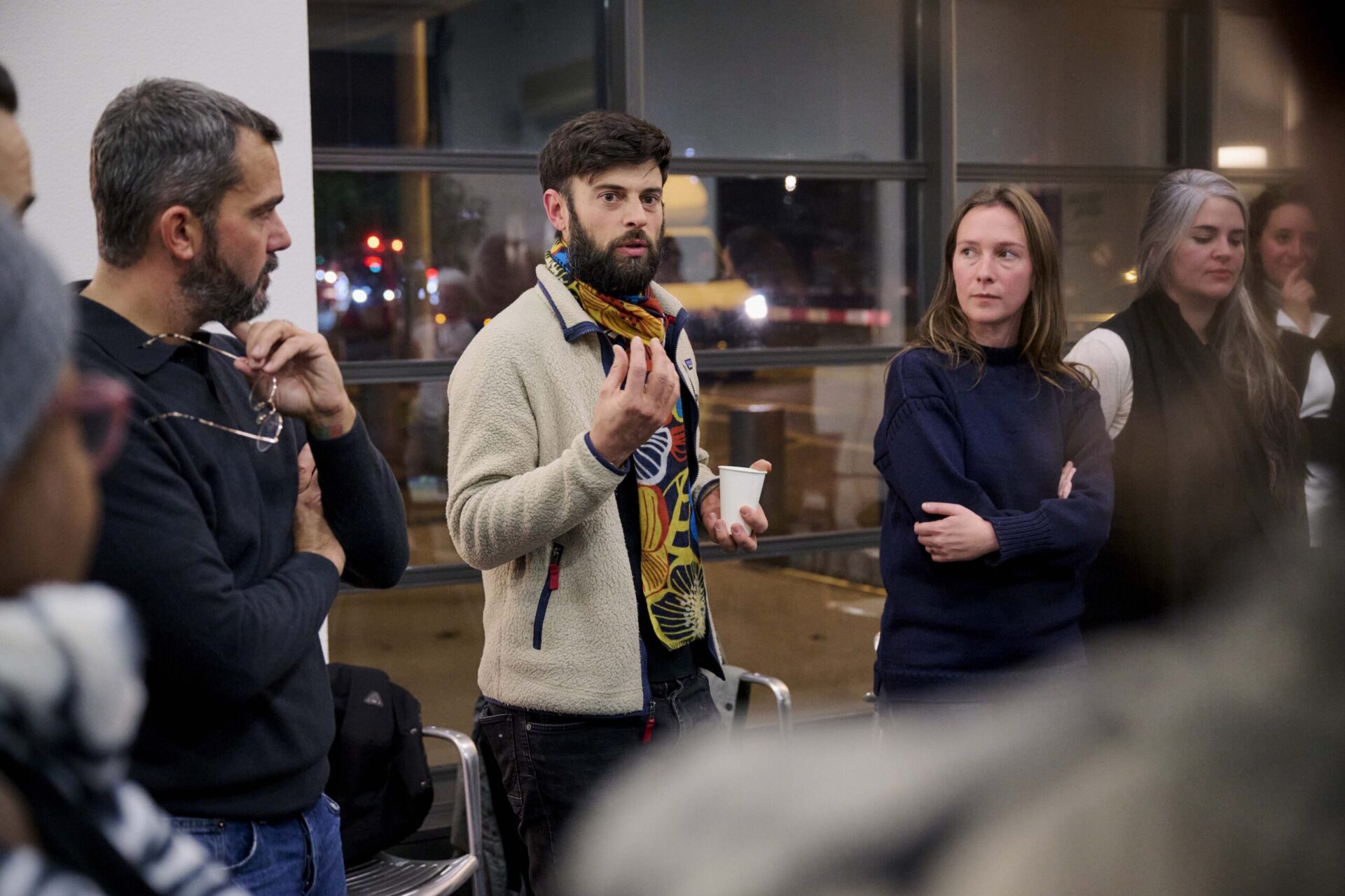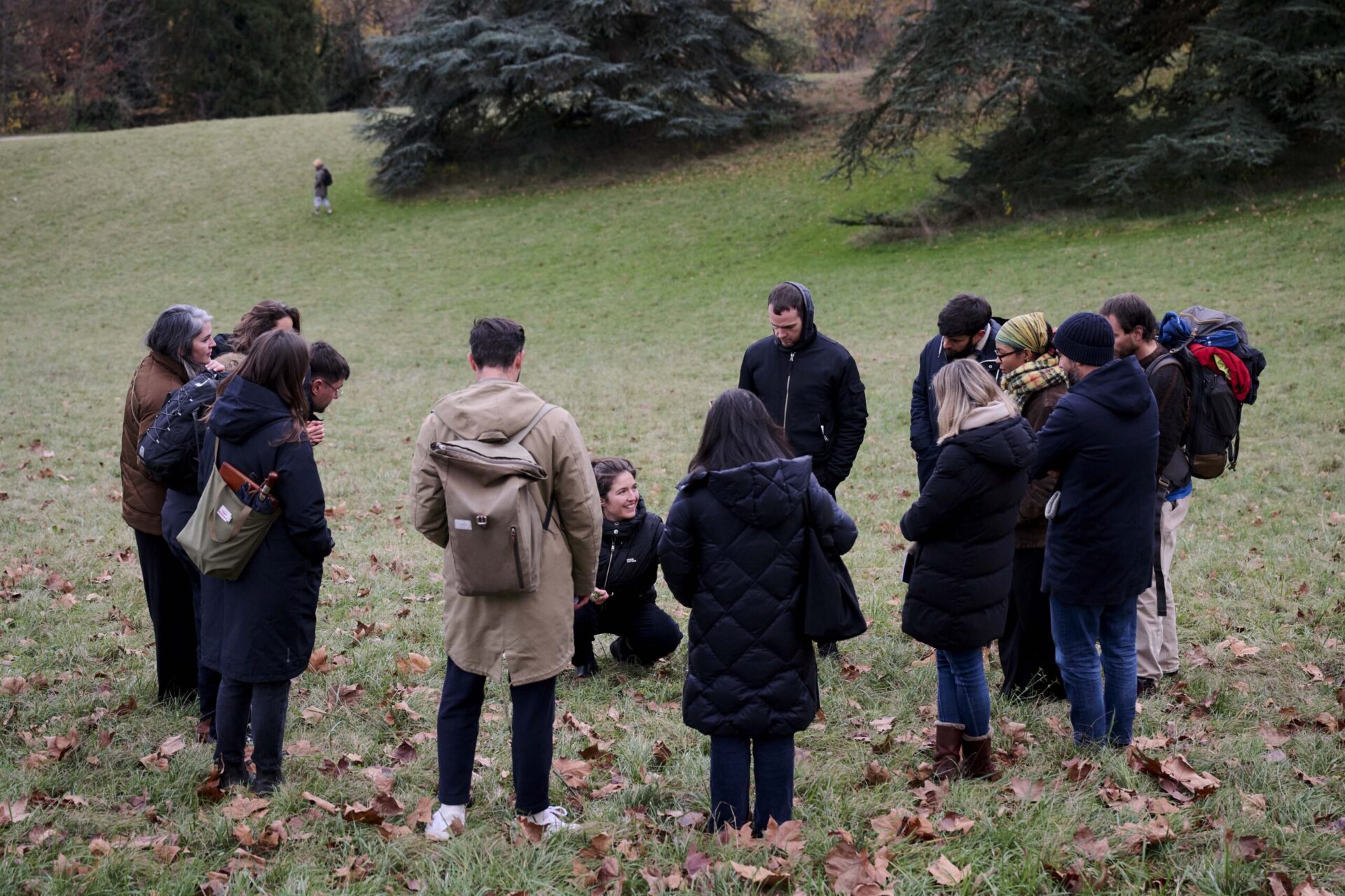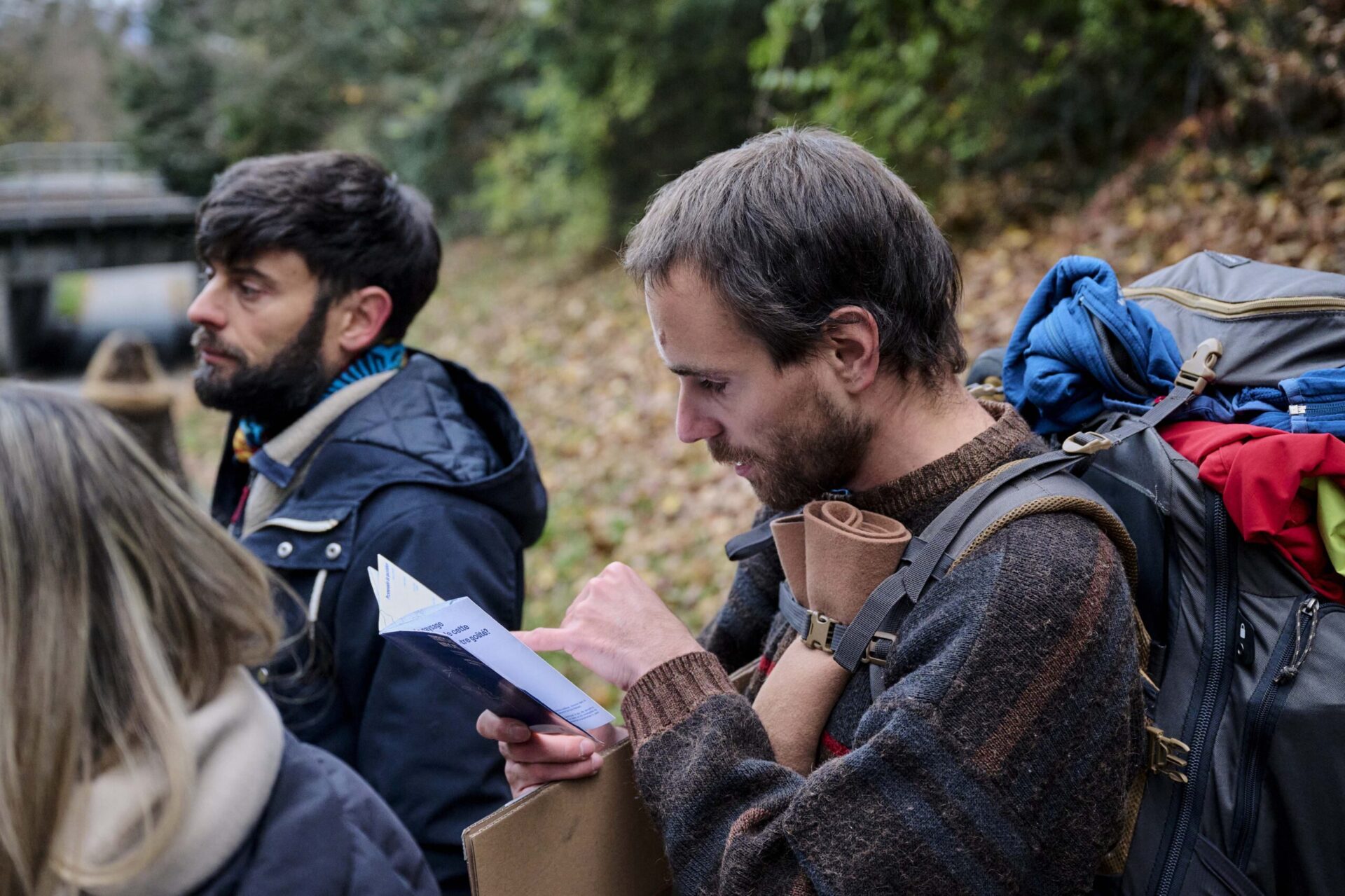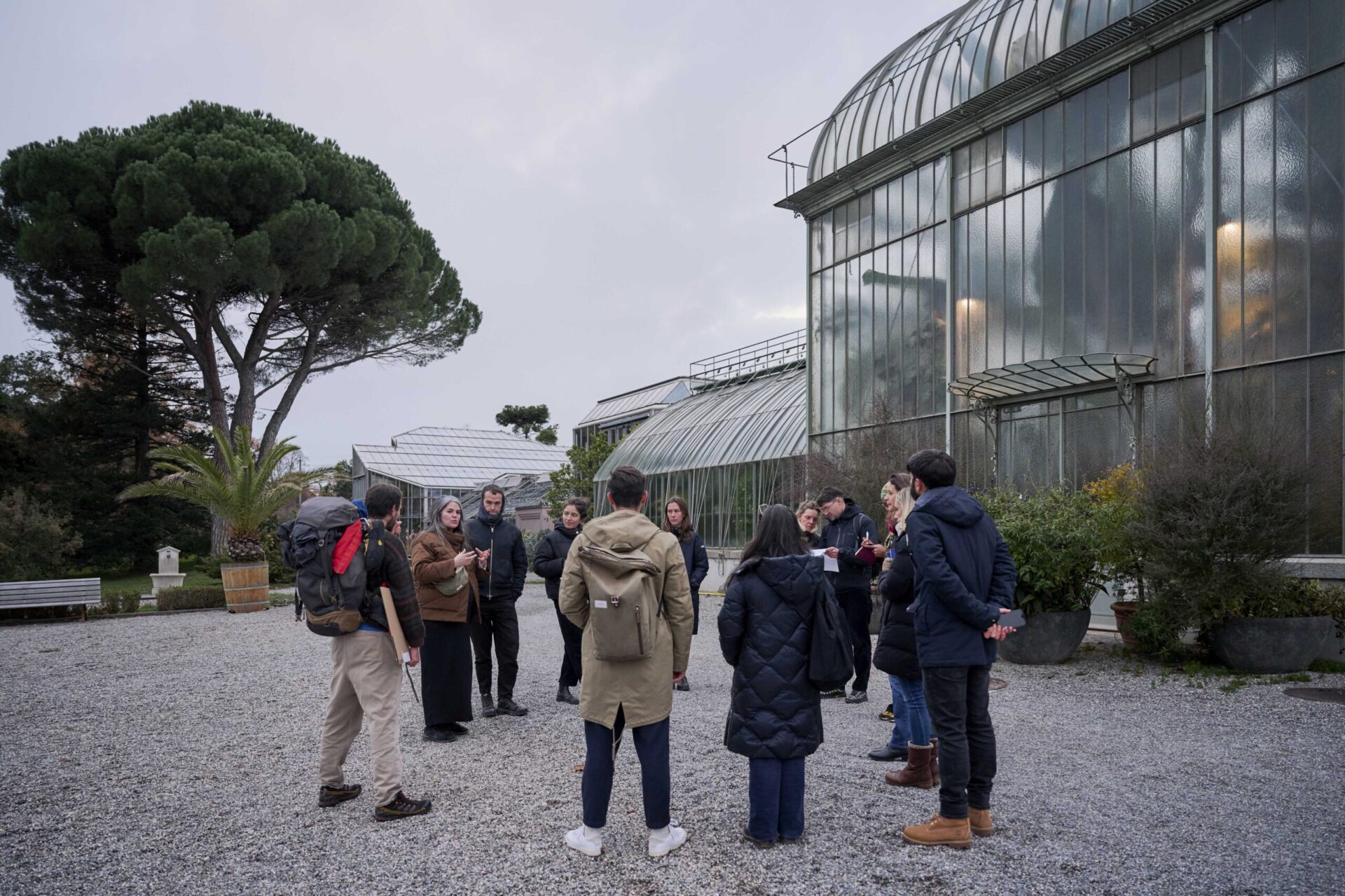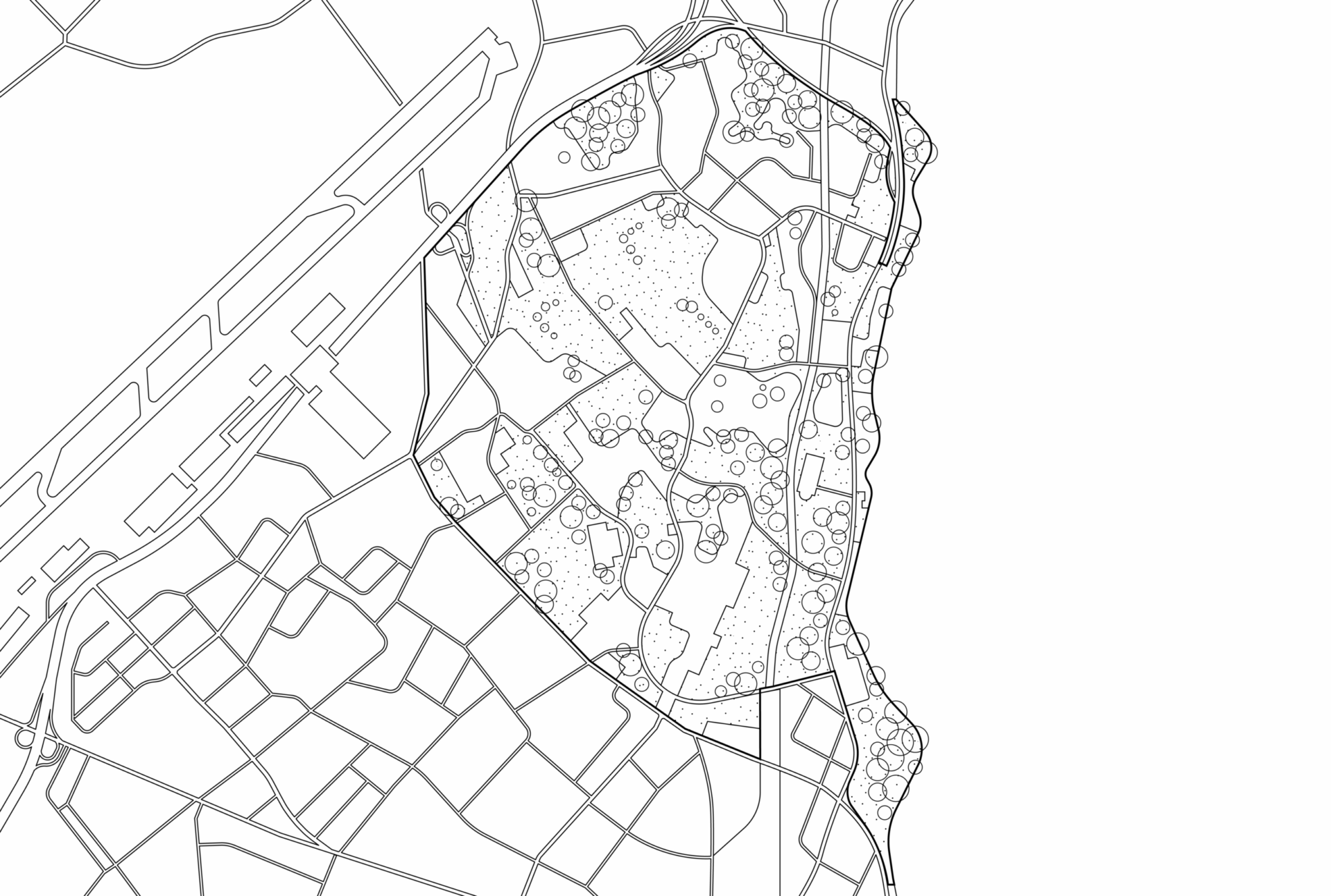
An emblematic territory of International Geneva, the Jardin des Nations is today a space that is both powerful and fragmented. Our project supports its transformation by making the landscape a true vector of connections—between city and nature, international institutions and neighbouring districts, everyday uses and contemporary narratives.
Rather than a fixed project, we propose a progressive approach to territorial activation, grounded in the restoration of environments, the enhancement of existing resources and the collective appropriation of public spaces. Soil, vegetation, water and food become concrete levers to strengthen the site’s ecological resilience while creating places for encounter, conviviality and knowledge sharing.
The Jardin des Nations is conceived as a territorial laboratory, capable of hosting landscape, cultural and social experiments. Key sites – such as Rigot, Rives or Penthes – serve as testing grounds for new uses, combining temporary urbanism, events, micro-interventions and territorial permanence. This continuous on-site presence makes it possible to adjust actions, involve local and international stakeholders, and build shared governance.
Through a step-by-step strategy, the project seeks to bring about a living landscape neighbourhood, supporting a more open, resilient and welcoming city. The Jardin des Nations thus becomes a reference space, where landscape, culture and citizen participation accompany long-term urban transformations.
Realisation
2025-2027
Client
The Canton of Geneva, the City of Geneva and the Municipality of Pregny-Chambésy
Procedure
SIA 144
Collaborations
ATHP, Geneva
Mmnk, Paris
Anna Beaujolin
Services provided
Territorial activation and temporary urbanism programme
Location
Geneva (GE)
Surface
3 sqare kilometers